


The Future Workforce Will Be Built Before College

For generations, we have viewed workforce development as something that begins after high school. Students graduate, enroll in college, earn a credential, and then prepare for a career. While that model may have worked in the past, the world is changing and our approach to workforce preparation must change with it.
The reality is that the future workforce will be built long before students ever set foot on a college campus.
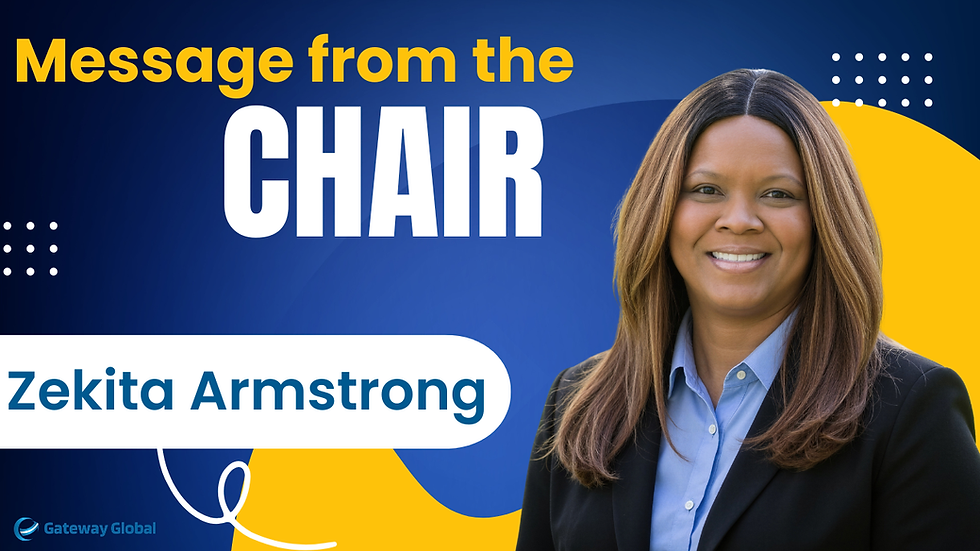
Today's students are growing up in a world shaped by artificial intelligence, global supply chains, emerging technologies, shifting geopolitical relationships, and industries that did not exist a decade ago. Employers are increasingly seeking individuals who can think critically, solve complex problems, work across cultures, analyze information, and adapt to constant change.
These skills cannot be developed overnight. They must be cultivated over time through meaningful experiences, exposure to real world challenges, and opportunities to connect learning to life beyond the classroom.
This is why high school is becoming one of the most important economic development assets in America.
When we think about economic development, we often focus on attracting businesses, creating jobs, and investing in infrastructure. And yes, those efforts are critical. But the most important long term investment we can make is preparing the talent pipeline that will sustain our communities and economy for decades and generations.
Students should not have to wait until college to discover career opportunities, understand how industries operate, or begin building the skills employers need. They should be exposed to these experiences throughout middle and high school through career connected learning, mentorship opportunities, project based learning, and meaningful engagement with professionals and industries.
Imagine a student exploring data analytics through real world business challenges. Imagine young people gaining exposure to emerging fields such as geospatial technology, artificial intelligence, cybersecurity, advanced manufacturing, and global business before they ever choose a college major.
These experiences create more informed students, more engaged learners, and ultimately a stronger workforce. Equally important, they help students see possibilities, points of access, and develop higher ambitions.
Many young people make educational and career decisions without ever having meaningful exposure to the opportunities available to them only to later find themselves exploring alternative fields that will bring true meaning and accomplishment to their life’s work. How many times have you heard a colleague say that they “stumbled” into their career? Early exploration helps students discover interests, identify strengths, and build confidence in their future pathways, and most importantly, gives them access to multiple options.
Workforce readiness is no longer simply about preparing students for a first job. It is about helping them understand the world around them, navigate complexity, and develop the adaptability needed to succeed in careers that will continue evolving throughout their lives.
The industries that thrive in the coming decades will be those that invest in talent early, connect education to opportunity, and help create pathways that allow students to see a future for themselves long before graduation.
The future workforce will not be built in a single classroom, training program, or college course. It will be built through years of exposure, exploration, skill development, and real world learning experiences that begin well before college.
The question is no longer whether we can afford to start earlier. The question is whether we can afford not to.
In Service,

Zekita Armstrong
Board Chair
Gateway Global
"The Future of Work Begins Here"
Comments